

TRF4 - Practical Sustainability Initiative
The Timing Research Forum 4 (TRF4) was held at the University of Tokyo's Komaba Campus from October 17-19, 2025. This international conference brings together an interdisciplinary community of researchers studying the mechanisms and processes of timing and time perception. Around 250 participants from around the world joined the event, engaging in symposiums, poster sessions, and networking activities.
The organizers made full use of the Tokyo Convention & Visitors Bureau's Sustainable Event Support Desk (*1). With this support, they created and published a sustainability policy for the event and planned the conference in line with that policy. Below are some of the key initiatives they implemented.
(*1) https://businesseventstokyo.org/sustainable_business_events_in_tokyo/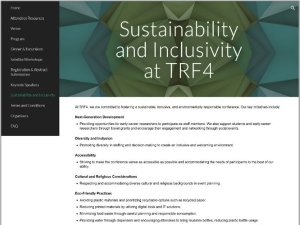
【Sustainable Initiatives】
① Environmental Considerations
1) Waste Reduction & Recycling
• Existing signboards were reused, avoiding the need for custom-made signage
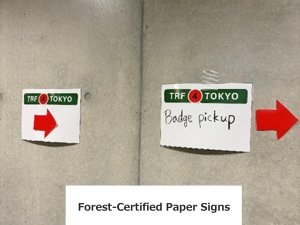
• Forest‑certified or recycled paper was used for signs, badges, and paper cups
2) Paperless Operations
• Programs and schedules were provided online instead of being printed
3) Reducing Plastic and PET Bottles
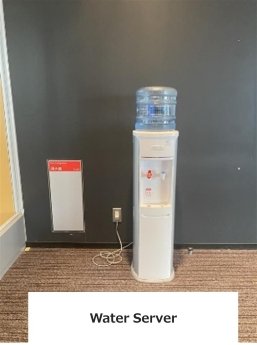
• Water stations were installed, and participants were encouraged to bring reusable bottles
4) Reducing Food Waste & Supporting Local Food
• Meal quantities were planned based on registration data
• Menus included ASC‑ and MSC‑certified ingredients
• Boxed lunches and coffee were sourced from local businesses
5) Lowering CO₂ Emissions & Offsetting
• Estimated emissions were calculated in advance and reduced where possible
• Remaining emissions were offset, and the plan was shared with participants
6) Waste Management
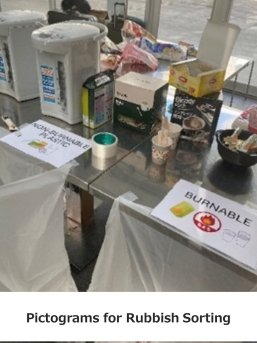
• Separate bags were provided for burnable waste and plastics
• Clear pictograms helped international participants sort waste correctly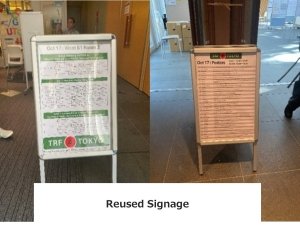
② Diversity & Inclusion
1) Supporting the Next Generation
• Students joined the operations team, gaining hands‑on experience
• Travel grants were offered to students and early‑career researchers
• Networking was encouraged through social events
2) Creating a Respectful and Inclusive Environment
• Pronoun stickers (She/He/They) were distributed at registration
• Anti‑harassment guidelines were highlighted during registration
3) Accessibility
• Venue information and accessibility adjustments were shared in advance with wheelchair users and others who needed support
• Real‑time English captions were provided during the opening remarks
4) Cultural & Religious Considerations
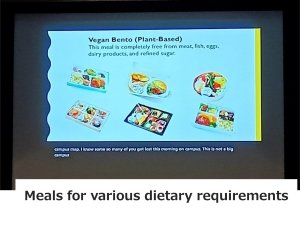
• Pre‑event surveys were conducted to understand needs for prayer rooms and dietary requirements
• In addition to standard meals, vegan, macrobiotic, and MSC/ASC‑certified options were offered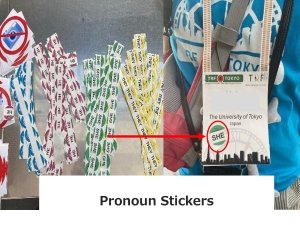
③ Cultural Preservation & Promotion
1) Sharing Japanese Culture
• Participant passes featured Sanada‑himo, a traditional Japanese craft, with signage explaining its cultural significance
• Japanese refreshments such as matcha and mochi were served
• Cultural programs included zazen meditation and sightseeing tours in Tokyo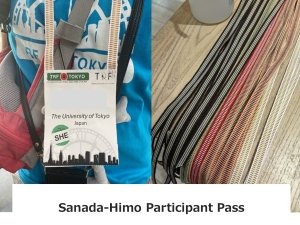

For this conference, the organizers, guided by the Sustainable Event Support Desk, developed and shared a clear sustainability policy. Based on this policy, they implemented a wide range of initiatives covering environmental action, diversity and inclusion, and cultural engagement.
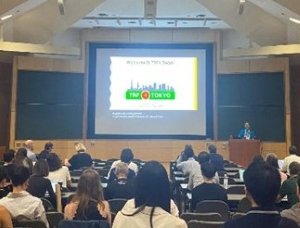
These efforts were driven by the organizers' strong commitment and creativity. The expression of top‑level commitment during the opening remarks was especially effective in inspiring participants to adopt more sustainable and inclusive behaviors.
The Tokyo Convention & Visitors Bureau will continue to support event organizers interested in sustainability by sharing practical case studies like this and offering ongoing assistance.
To see all the support available for hosting sustainable events in Tokyo, please click here.
The organizers made full use of the Tokyo Convention & Visitors Bureau's Sustainable Event Support Desk (*1). With this support, they created and published a sustainability policy for the event and planned the conference in line with that policy. Below are some of the key initiatives they implemented.
(*1) https://businesseventstokyo.org/sustainable_business_events_in_tokyo/
【Sustainable Initiatives】
① Environmental Considerations
1) Waste Reduction & Recycling
• Existing signboards were reused, avoiding the need for custom-made signage
• Forest‑certified or recycled paper was used for signs, badges, and paper cups
2) Paperless Operations
• Programs and schedules were provided online instead of being printed
3) Reducing Plastic and PET Bottles
• Water stations were installed, and participants were encouraged to bring reusable bottles
4) Reducing Food Waste & Supporting Local Food
• Meal quantities were planned based on registration data
• Menus included ASC‑ and MSC‑certified ingredients
• Boxed lunches and coffee were sourced from local businesses
5) Lowering CO₂ Emissions & Offsetting
• Estimated emissions were calculated in advance and reduced where possible
• Remaining emissions were offset, and the plan was shared with participants
6) Waste Management
• Separate bags were provided for burnable waste and plastics
• Clear pictograms helped international participants sort waste correctly
② Diversity & Inclusion
1) Supporting the Next Generation
• Students joined the operations team, gaining hands‑on experience
• Travel grants were offered to students and early‑career researchers
• Networking was encouraged through social events
2) Creating a Respectful and Inclusive Environment
• Pronoun stickers (She/He/They) were distributed at registration
• Anti‑harassment guidelines were highlighted during registration
3) Accessibility
• Venue information and accessibility adjustments were shared in advance with wheelchair users and others who needed support
• Real‑time English captions were provided during the opening remarks
4) Cultural & Religious Considerations
• Pre‑event surveys were conducted to understand needs for prayer rooms and dietary requirements
• In addition to standard meals, vegan, macrobiotic, and MSC/ASC‑certified options were offered
③ Cultural Preservation & Promotion
1) Sharing Japanese Culture
• Participant passes featured Sanada‑himo, a traditional Japanese craft, with signage explaining its cultural significance
• Japanese refreshments such as matcha and mochi were served
• Cultural programs included zazen meditation and sightseeing tours in Tokyo
For this conference, the organizers, guided by the Sustainable Event Support Desk, developed and shared a clear sustainability policy. Based on this policy, they implemented a wide range of initiatives covering environmental action, diversity and inclusion, and cultural engagement.
These efforts were driven by the organizers' strong commitment and creativity. The expression of top‑level commitment during the opening remarks was especially effective in inspiring participants to adopt more sustainable and inclusive behaviors.
The Tokyo Convention & Visitors Bureau will continue to support event organizers interested in sustainability by sharing practical case studies like this and offering ongoing assistance.
To see all the support available for hosting sustainable events in Tokyo, please click here.